Roof Inspection Before Buying a Home in Florida: A Checklist
Slate & Steel Roofing ·
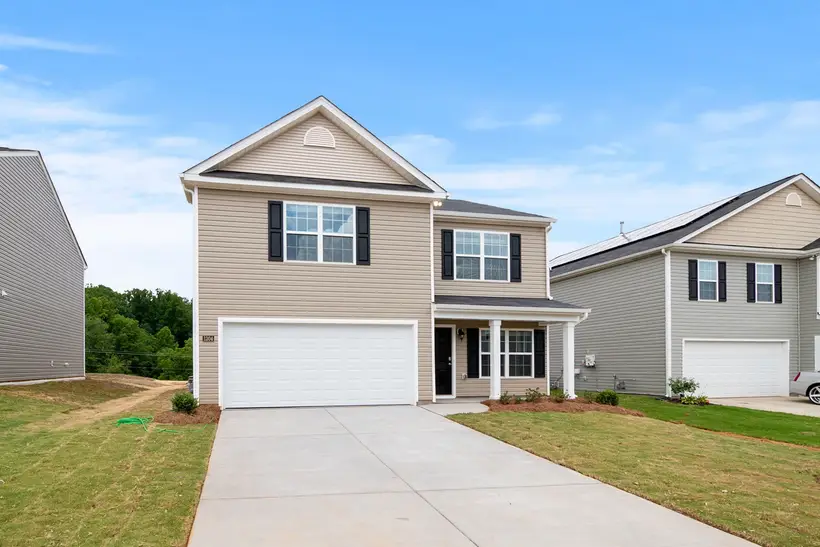
A roof inspection before buying a home is one of the best investments you can make in Florida. The roof is one of the most expensive parts of a house to replace, and in this state it also affects whether you can get homeowners insurance and what it costs. A careful inspection tells you what you’re buying, gives you something solid to negotiate with, and helps you avoid surprises the first time a summer storm rolls through.
Why the roof matters more in Florida
In most states, an older roof is a maintenance question. In Florida, it’s also an insurance question. Insurers look closely at the age and condition of the roof before they write a policy, and some ask for an inspection report on older homes before they’ll offer coverage. If you’re financing the purchase, your lender will require insurance, so a roof problem can hold up the whole closing.
Florida law gives homeowners some protection here. An insurer can’t refuse to write or renew a policy solely because the roof is less than 15 years old. For a roof that’s 15 years or older, the homeowner can have it inspected, and an insurer can’t refuse coverage solely because of its age if the inspection shows at least five years of useful life remaining. That makes a good inspection report valuable twice: once when you buy, and again when you insure.
What to find out before the inspection
Gather what you can from the seller and the listing.
- The roof’s age. Ask when it was last replaced and get the paperwork if possible.
- The permit. Reroofs need a permit. In the City of Orlando, permit records can be looked up online by address. Check that the reroof permit was issued and closed with a passed final inspection.
- Warranties. Ask whether there’s a manufacturer’s or contractor’s warranty and whether it transfers to a new owner.
- Repair history. Leaks, storm claims and past repairs should all be disclosed. Ask for receipts and photos.
An open or expired permit is worth noticing. It can mean the work was never inspected, which you may end up dealing with as the new owner.
What a roofer checks
A roof inspection should cover the outside, the inside and the paperwork.
On the roof:
- The condition of the shingles, tiles or metal across every slope
- Granule loss, curling or cracking on shingles; cracked, slipped or broken tiles; rust or loose fasteners on metal
- Flashing at walls, chimneys and skylights
- Pipe boots, vents and every other penetration
- Valleys, ridges and hips
- Gutters and drip edge
- Soft spots in the deck underfoot
In the attic:
- Stains or water trails on the decking and rafters
- Daylight through the roof boards
- Signs of past leaks that were repaired only on the ceiling below
- Ventilation and any damage to the framing
From the paperwork:
- Whether the roof’s age matches the permit history
- Whether the roof was built under the 2007 Florida Building Code or later, which affects how much of the roof a large repair can require bringing up to current code
Reading the results
A good report sorts its findings into three groups:
- Fine as it is. Parts of the roof in good condition, with photos.
- Repairs needed. Specific problems with a price for each, such as replacing a cracked pipe boot or resealing flashing.
- Life remaining. An honest estimate of how many years the roof has left, and whether replacement is likely in the near future.
That third group matters most for your budget. A roof with a few repairs and many years of life is a different purchase from one that will need replacing in the first year or two.
Using the inspection to negotiate
If the inspection turns up problems, you have options. You can ask the seller to make repairs before closing, ask for a credit or a lower price, or, if the roof is near the end of its life, ask the seller to replace it. A written report with photos and an itemized estimate from a licensed roofer gives your request weight. It’s much harder to dispute than a general comment that “the roof looks old.”
If the seller does agree to repairs or a new roof, ask for the permit number and the final inspection record before closing.
Timing
Book the roof inspection early in your inspection period, alongside the general home inspection. If the roof needs a closer look or a replacement price, you’ll want time to get it before your deadline. In summer, keep in mind that afternoon storms can delay the roof portion of an inspection by a day.
After you move in
Once the house is yours, have the roof checked once a year and after any storm with strong wind or falling limbs. Keep every report and invoice in one place. When the time comes to insure, refinance or sell, that record will help.
We inspect roofs for buyers across Orlando, Winter Park and Kissimmee, with a photo report and a written estimate for any repairs. If the inspection shows the roof is near the end of its life, our roof replacement page explains what a new roof involves, and our guide to the signs you need a new roof covers what to watch for after you move in.
Questions homeowners ask
Isn't the roof covered by the general home inspection?
A general home inspector looks at the roof, often from the ground or a ladder at the edge. A roofer walks the roof where it's safe to, checks the attic in detail and can give you a repair or replacement price. On an older roof, it's worth having both.
Can I ask the seller to replace the roof?
You can ask. Depending on the market and what the inspection finds, sellers may agree to replace it, give a credit at closing or reduce the price. A written report with photos and an itemized estimate makes the request easier to back up.
How do I find out when the roof was last replaced?
Ask the seller for the permit and any warranty paperwork. In many cities and counties, including the City of Orlando, permit records can be looked up online by address, which shows when a reroof permit was issued and whether it was closed out.