Signs You Need a New Roof: What to Look For in Central Florida
Slate & Steel Roofing ·
The signs you need a new roof are usually there for a while before anyone notices them. Roofs in Central Florida wear out gradually: the sun bakes them every day, afternoon storms soak them through the summer, and the occasional tropical system pushes them to their limits. By the time a roof leaks in several places, it has often been on its way out for years. Here’s what to look for, from the ground, from the attic and on paper, and how to tell a roof that needs replacing from one that just needs a good repair.
Signs you can see from the ground
You don’t need to climb onto the roof to spot most of the warning signs. Stand across the street or in the yard with a pair of binoculars, on a clear day with the sun behind you.
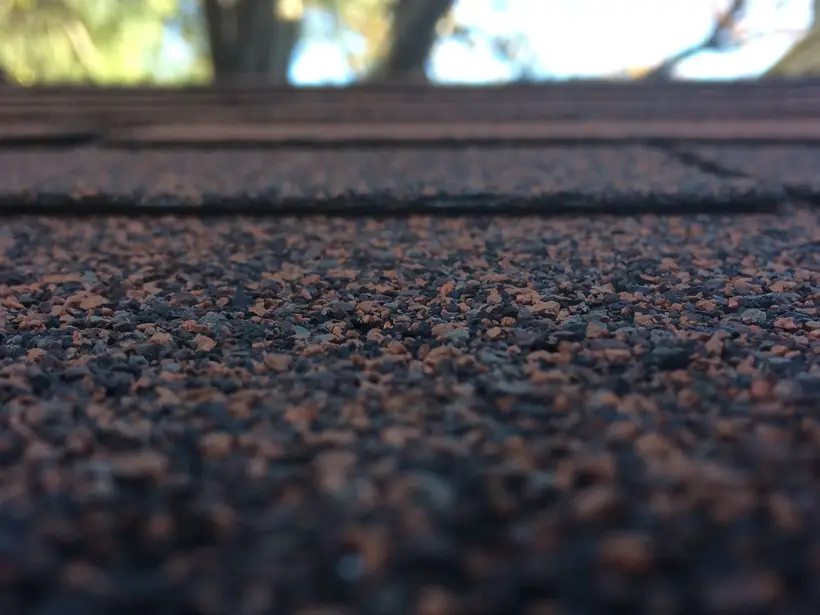
Granules in the gutters. Asphalt shingles are coated with mineral granules that protect them from the sun. As shingles age, the granules come loose and wash into the gutters and downspouts. A handful after a storm is normal. Gutters with a layer of what looks like coarse sand, or bare black patches on the shingles, mean the shingles are wearing thin.
Curling, cupping or cracking. Shingles should lie flat. When the edges turn up, the middles sink, or cracks run across the tabs, the shingles have dried out and lost their flexibility. The south and west slopes usually show it first, because they take the most afternoon sun.
Missing shingles or tiles. One or two missing after a storm is a repair. Pieces missing in several places, or new gaps after every storm, point to a roof whose seal strips and fasteners are failing across the board.
Cracked, slipped or broken tiles. Tile roofs can look solid from the street even when many tiles are cracked. Look for tiles that sit out of line with their neighbors, broken corners and pieces lying in the gutter.
Rust and loose fasteners on metal. On metal roofs, look for rust streaks, panels lifting at the seams and screws that have backed out.
Dark streaks and moss. Dark streaks are usually algae and mostly a cosmetic issue. Thick moss is different: it holds water against the roof and can lift shingles. Moss on shaded slopes under trees is common around the lakes in Orlando and Winter Park.
A sagging roof line. If the ridge dips or a slope looks wavy, the deck or the framing beneath it may be damaged. This needs a professional look soon.
Signs inside the house
Some of the clearest signs show up indoors.
- Stains on ceilings or walls, especially ones that grow after heavy rain
- Peeling paint near the ceiling line or around the top of exterior walls
- Daylight in the attic, visible through the roof boards
- Damp or dark decking in the attic, or water trails down the rafters
- Musty smells in upstairs rooms or closets after storms
One stain often means one leak, which a repair can fix. Stains in several rooms, or leaks that return in new spots after each repair, point to a roof that’s failing in general.
Repeat repairs
Keep track of what you spend on the roof. If you’ve repaired the same roof two or three times in a couple of years, and each repair fixes one leak only for another to appear, you’re paying to hold back a tide. At some point the money is better spent on a roof that doesn’t need it. We’ll give you an honest view of where that point is, with photos and both prices side by side.
Roof age and Florida insurance
Age isn’t a sign on its own, but in Florida it matters because insurers care about it. Under Florida law, an insurer can’t refuse to write or renew a homeowners policy solely because the roof is less than 15 years old. Once a roof is 15 years old or more, you can have it inspected at your own expense, and an insurer can’t refuse coverage solely because of its age if the inspection shows it has at least five years of useful life left.
So a roof that is past 15 years isn’t automatically finished. It needs evidence of its condition. If an insurer asks about your roof, an inspection report with photos is the right first step. Sometimes it buys several more years; sometimes it confirms what you suspected.
The 25 percent question
Florida law also affects how big a repair can be before it pulls the rest of the roof along with it. A roof built or replaced under the 2007 Florida Building Code or later can have just the repaired section brought to current code, even if more than a quarter of the roof is being repaired. Roofs older than that don’t get the same exception, so a large repair on an older roof can mean the whole roof has to meet today’s code. That can make a big repair cost nearly as much as a replacement.
Repair or replace: how we decide
When we inspect, we look at the whole roof, not just the problem spot. We recommend a repair when the damage is limited, the covering still has life in it and the deck is sound. We recommend replacement when wear is widespread, when the deck is soft in several places, or when the likely cost of repairs over the next few years would approach the cost of a new roof.
You get photos of everything we found and a written estimate for whichever option makes sense, or both if it’s close. See what each one involves on our roof repair and roof replacement pages.
When to call
Call us if you’ve noticed any of the signs above, if your insurer has asked about your roof, or if you’re buying or selling a home. Spring is the best time, before the summer storms settle into their daily pattern. We inspect roofs across Orlando, Winter Park and Kissimmee, and the inspection is free.
Questions homeowners ask
How long does a roof last in Central Florida?
It depends on the material, how well it was installed and how much shade and storm exposure it gets. Tile and metal generally outlast shingles, but the underlayment under a tile roof usually wears out long before the tiles do. Age is a starting point for an inspection, not a verdict.
Can I just replace the bad section instead?
Sometimes. If the damage is limited and the rest of the roof is sound, a section repair can make sense. On older roofs, large repairs can trigger code requirements for the whole roof, and new material next to old material doesn't always wear evenly.
Is a new roof worth it if I'm selling soon?
It can be. Buyers' inspectors and insurers both look closely at roof age and condition in Florida, and an old roof can slow a sale or reduce offers. Get an inspection first so you know what a buyer will find.