Storm Damage Roof Inspection in Orlando
Roof inspections after thunderstorms and tropical systems, with a photo report and temporary covers where water is getting in.
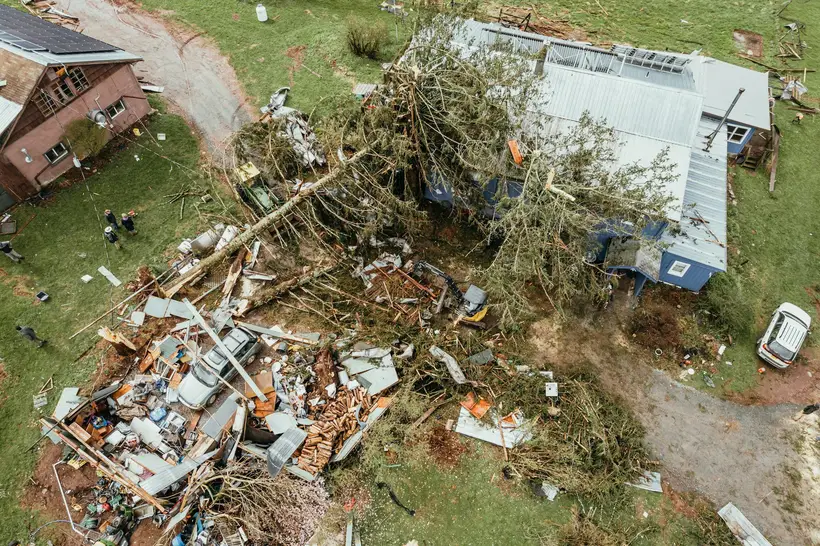
A storm damage roof inspection in Orlando is worth booking after any storm that brought strong gusts, falling limbs or a long, heavy downpour. Central Florida’s storms come in two kinds. Most summer days bring the chance of a thunderstorm, with gusty wind, lightning and a burst of heavy rain. Then, from June through November, a tropical storm or hurricane can bring all of that for a day or more. Both can damage a roof in ways that are hard to see from the driveway.
How Central Florida storms damage roofs
Wind. Gusts work at the edges of a roof and at anything already loose. Shingle tabs lift and lose their seal. Ridge and hip caps crack or blow off. Tiles that were set loosely or already cracked can shift or come away. Flashing at walls gets pulled out just far enough to let rain in.
Falling limbs. Orlando, Winter Park and Kissimmee have a lot of mature trees. A large limb can crack tiles, tear shingles, dent metal and in a bad case break through the deck. Even small branches dragged across a roof in the wind scrape off granules.
Rain. Heavy, wind-driven rain finds gaps that ordinary rain never reaches. It’s often the first sign that the wind did damage, showing up as a stain or a drip the same night.
Lightning. The National Weather Service office that covers the Orlando area calls central Florida the lightning capital of the United States. A direct strike on a house is rare, but it can crack tiles, blow out shingles and scorch the decking or attic framing.
When Hurricane Milton crossed the area in October 2024, the National Weather Service reported gusts of 55 to 75 mph across Orange County, locally as high as 87 mph, and 4 to 8 inches of rain, with downed trees across the county. Osceola County saw gusts of 55 to 65 mph. The same report records a man who died after falling from his roof while clearing storm debris. Please leave the roof to someone with the right equipment.
What our inspection covers
When you call after a storm, we look at the whole roof, not just the corner you noticed:
- Every slope, including the ones you can’t see from the street
- Ridges, hips and the roof edges, where wind does the most harm
- Each pipe boot, vent, skylight and chimney, and the flashing around them
- Valleys and gutters, for debris and blocked drainage
- The attic, where we can get in, for daylight, wet decking or water trails
Each sign of damage is photographed with a wider shot showing where it is on the roof. You get a written report that lists our findings slope by slope and an itemized estimate for the repair. If your roof came through fine, the report says that too, and that’s a useful record to keep.
Keeping water out
If we find an opening, a missing section or a hole from a limb, the first priority is stopping more water from getting in. We secure a temporary cover over the area and photograph it in place. Insurers generally expect homeowners to take reasonable steps to prevent further damage, and a documented cover does that.
Temporary covers are just that. Florida sun and the next round of storms wear them out, so we aim to schedule the permanent repair as soon as you’re ready to go ahead.
Repairs after the inspection
Once the damage is on record, the repair depends on what we found. It might be a handful of shingles and new ridge caps, a few replaced tiles and refastened flashing, or in a bad case a full slope or a new roof. Florida law requires a permit before a building is repaired, and we file with the city or county that covers your home. See our roof repair and roof replacement pages for what each involves.
If you’re filing a claim
Many storm repairs go through homeowners insurance. Our insurance claim documentation service explains what we provide: dated photos, a written report and an itemized estimate. Your insurer decides what the policy covers, and you stay in charge of the claim.
Before the next storm
A roof in good repair handles a storm far better than one with weak spots. Trim branches that hang over the roof, keep gutters and valleys clear, and have the roof checked in spring before the summer storms settle in. Fixing a cracked boot or a loose piece of flashing in April is much easier than dealing with a leak in August.
We inspect storm damage across Orlando, Winter Park and Kissimmee. Send photos with your request and we’ll prioritize homes with water coming in.
Where we work
Questions homeowners ask
The storm has passed. What should I do first?
Check that everyone is safe and stay clear of downed power lines. Take photos of any damage you can see from the ground and from inside, including wet ceilings, and move belongings away from drips. Then call us for an inspection. Please don't climb onto the roof to look.
How long do I have to report roof damage to my insurer?
Florida law gives you one year after the date of loss to give notice of a property claim, and 18 months for a supplemental claim. Your policy may also ask for prompt notice, so it's better to report sooner rather than later.
Can lightning damage a roof?
It can. A direct strike can crack tiles, blow shingles off, scorch the deck or start a fire in the attic. If you suspect a strike, call the fire department first if there's any smell of smoke, then have the roof and attic checked.
My roof looks fine. Is an inspection still worth it?
After a storm with strong gusts or falling limbs, yes. Lifted shingles and cracked tiles often aren't visible from the ground, and the leak may not appear until a heavy rain weeks later. If we find nothing, the report says so.