Roof Repair in Orlando
Roof repair in Orlando for summer-storm leaks, cracked tiles, worn pipe boots and loose flashing, traced to the source and photographed.
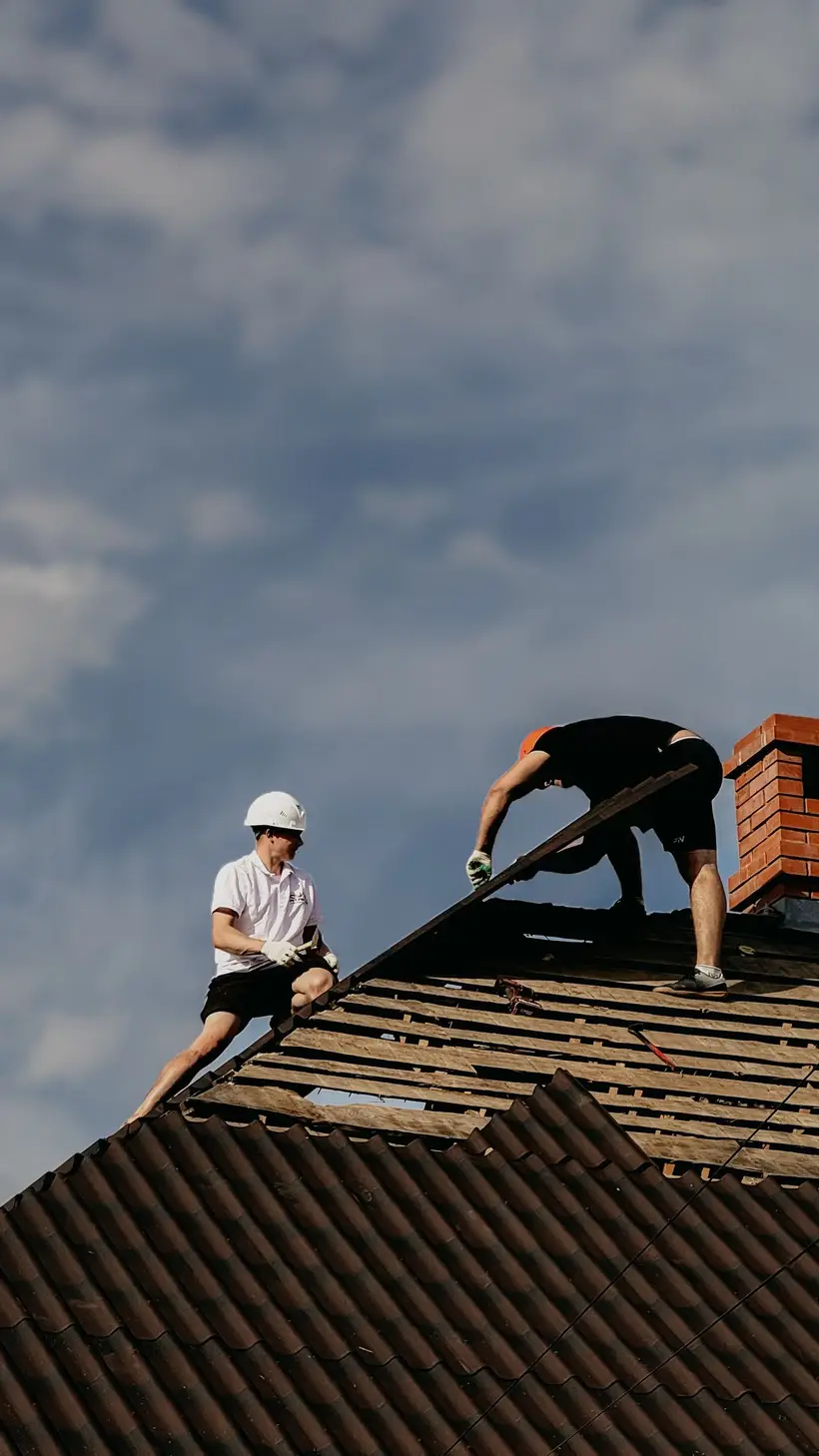
Roof repair in Orlando is mostly about water. Central Florida gets heavy afternoon thunderstorms through much of the summer, and every one of them tests the same weak spots on your roof: the pipe boots, the flashing, the valleys and anywhere the roof meets a wall. When something gives, the leak usually shows up inside before anyone sees the cause from outside. Our job is to find exactly where the water gets in and fix that, not just the stain on the ceiling.
How we find a leak
Water rarely drips straight down from the hole. It runs along the underlayment, the rafters or the top of the ceiling drywall and comes through wherever it finds a low point. A stain in the middle of a bedroom ceiling can start several feet away near a vent or a valley.
So we start in two places. Inside, we look at the stain, the attic above it if there’s access, and the path the water has taken along the wood. Outside, we check every penetration and joint on that part of the roof and the slopes above it. Then we put the two together. If it isn’t obvious, we can test sections with a hose, starting low and working up, until the leak shows itself.
Our article on finding a roof leak explains what you can check yourself before you call.
The repairs we make most often
Pipe boots. The rubber collars around plumbing vents crack and split in the Florida sun. They’re one of the most common leak sources we find on shingle roofs, and one of the simplest to fix.
Flashing. Metal flashing at walls, chimneys and skylights can work loose or rust through. Old sealant that once covered a gap dries out and cracks. We replace or refasten the flashing rather than just adding more sealant over the top.
Cracked or slipped tiles. Tile is tough, but it cracks under foot traffic, falling limbs and impact. A cracked tile lets water reach the underlayment, which is what actually keeps the house dry. We replace broken tiles and check the underlayment beneath them.
Wind-lifted shingles. A strong storm can break the seal on shingle tabs. They may lie back down and look fine, but water gets under them in the next wind-driven rain. We reseal or replace them depending on their condition.
Valleys. Where two slopes meet, the water from both runs through the same channel. Leaves and debris collect there and hold water. Worn or damaged valley material is a frequent cause of leaks after long storms.
Edges and gutters. Overflowing gutters can push water back under the roof edge and into the fascia. We check the drip edge and the gutter line as part of any leak repair.
What you get
Every repair comes with photos of the problem before we touch it, during the repair where it’s useful, and when it’s finished. You get a written price before we start, and if we find something during the job that changes it, we stop and show you before going further.
We’ll also tell you honestly how long a repair is likely to last. If your roof is near the end of its life and a repair would only buy a season, we say so and give you a price for roof replacement alongside it, so you can decide with both numbers in front of you.
Temporary repairs
Sometimes the permanent fix has to wait, for example while you’re waiting on an insurance adjuster or for a special order tile. In that case we secure a temporary cover over the problem so the next storm doesn’t add to the damage, and we photograph it so it’s on record.
Storm-related repairs
If the damage came from a storm, such as a falling limb, wind-lifted shingles or impact damage, see our storm damage service. We document storm damage with a full report, which you may need if you file a claim.
Repair checklist before the rainy season
The best time to fix a roof in Central Florida is in spring, before the summer storms settle into their daily pattern. A quick inspection then catches cracked boots, loose flashing and full valleys while the weather still gives us dry days to work.
We repair roofs across Orlando, Winter Park and Kissimmee. Send us a photo of the stain or the spot on the roof with your request and we’ll tell you what we think it is before we come out.
Where we work
Questions homeowners ask
How fast can you come out for a leak?
Usually within a day or two, sooner when water is coming into the house. If we can't make a permanent repair straight away, we put a temporary cover on so the next afternoon storm doesn't make it worse.
Why does my roof only leak in some storms?
Because wind changes where the rain lands. A gap in flashing on the west side might stay dry in a calm shower and leak badly when a storm pushes rain sideways from that direction. We look at the roof with that in mind.
Do roof repairs need a permit?
Florida law requires a permit before a building is repaired, and the local building department decides how that applies to smaller roof jobs. We check with the department for your address and file whatever the job needs.
Will a repair match my existing roof?
We match as closely as we can. Shingles fade and tiles change over the years, so a new patch may look a little brighter at first. If an exact match matters, for example on the front slope, tell us and we'll look for the closest product before we start.